
Planning Permission on Rural Land
Understand the planning position before assuming what a field, plot or rural property could become.
Planning permission is one of the most important factors affecting the potential, value and future use of rural land. Understanding what may and may not be possible before buying can reduce risk and help avoid expensive mistakes.
Rural planning is rarely as simple as looking at the land and deciding there appears to be enough space to build. Existing use, planning history, access, local policy, environmental constraints and the type of development proposed can all matter.
If your main question is whether a new dwelling could be possible, also read Can I Build a House on My Land?
Rural land can look full of opportunity.
Open countryside, attractive views and generous space naturally encourage ideas for new homes, extensions, lodges, workshops, garden buildings or future development.
But two neighbouring pieces of land can have completely different planning histories, restrictions and prospects. One may present realistic development possibilities while another may be extremely difficult to develop residentially.
Planning can affect far more than whether something can be built. It may influence the value of the land, its practical use, resale prospects, project costs and whether the property can ultimately fulfil the reason you bought it.
Investigating these issues before purchase is usually much easier than discovering them after contracts have been exchanged.
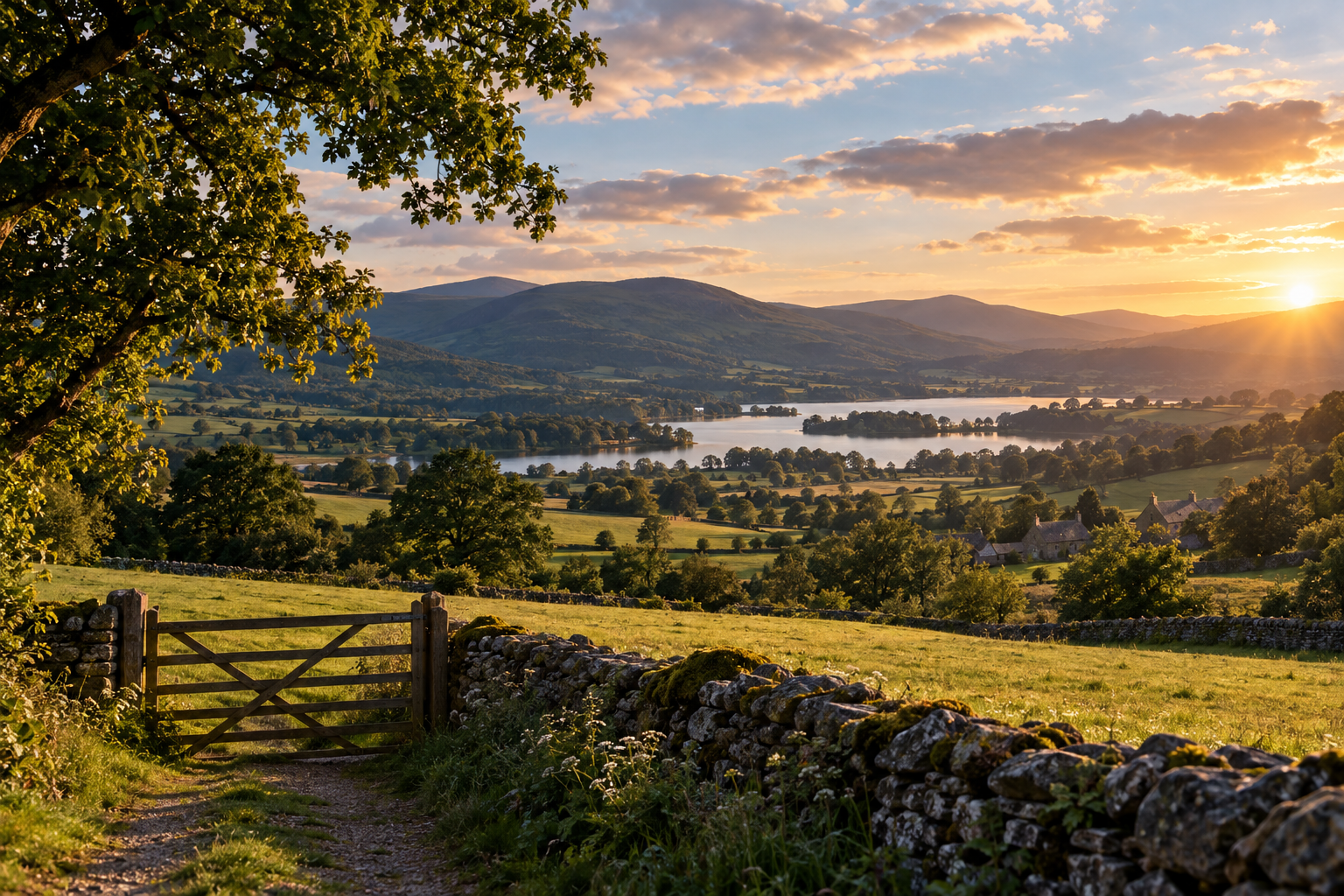
Not all rural land is the same.
A common mistake is assuming that all countryside land is treated in broadly the same way. In reality, each parcel can be affected by its own history, designation, existing use and local planning context.
Agricultural classification, previous applications, protected landscapes, conservation areas, flood risk, ecology, heritage, highway access and nearby development can all be relevant.
If you are considering buying rather than already owning the site, see our guide to buying rural land in the UK .
Look beyond the boundary line.
These factors do not necessarily prevent development, but they can influence how a proposal is assessed and what supporting information may be needed.
Existing Use
Agricultural classification and the established use of land or buildings can affect future proposals.
Planning History
Previous approvals, refusals and conditions can provide useful context when assessing a site.
Landscape
National Parks, National Landscapes and other sensitive settings can involve additional considerations.
Heritage
Conservation areas, listed buildings and their settings may affect design and development options.
Environment
Flood risk, drainage, ecology, trees and habitats may require investigation or specialist reports.
Access
Legal vehicle access, highway safety and visibility can be fundamental to whether a proposal is workable.
What about Permitted Development Rights?
Not every project on rural property requires a full planning application. Certain works may fall within Permitted Development Rights (PDR), allowing specific types of development without applying for full planning permission.
These rights are often misunderstood. Their availability can depend on the type of property, its location, planning history and conditions attached to previous permissions. Rights can also be restricted or removed in some circumstances.
Projects where permitted development may sometimes be relevant include:
- Extensions to existing homes.
- Agricultural buildings.
- Certain changes of use and conversions.
- Detached garages and outbuildings.
- Garden rooms and home offices.
- Some renewable energy installations.
Even where planning permission is not required, other approvals such as Building Regulations may still be relevant. Always check the position for the particular property and proposed works.
Protected landscapes & special settings
Many highly desirable rural locations are also subject to additional planning considerations intended to protect landscape, heritage or environmental quality.
Being within a protected or sensitive location does not automatically prevent development, but proposals may be examined more carefully and may require additional evidence.
Landscape protection can play a particularly important role in planning decisions.
Development may need to demonstrate careful consideration of natural beauty and local character.
Additional controls can affect alterations, demolition and external appearance.
Special consent requirements may apply to works affecting a listed building.
Drainage, environmental evidence and the suitability of development may require closer assessment.
Agricultural occupancy conditions
Some rural properties are subject to Agricultural Occupancy Conditions, sometimes referred to as agricultural ties. These planning conditions can restrict who may occupy the property and can affect future use and resale.
Although some conditions may potentially be varied or removed through formal procedures, that should never be assumed when purchasing.
- Establish whether an occupancy condition exists.
- Read exactly what the condition requires.
- Check whether previous applications have been made.
- Consider how the restriction may affect resale.
- Make sure your intended occupation complies with it.
Questions worth answering first
Small investigations carried out early can prevent much larger financial disappointments later. If the intended use of the land matters to the purchase, these questions should not be left until after completion.
Common rural planning mistakes
Many problems begin because buyers rely on appearance, sales descriptions or what has happened on neighbouring land instead of investigating the individual property.
Planning is only one part of the picture. Access, utilities, drainage and other ownership costs also matter. See Hidden Costs of Rural Property .
When professional advice can make a difference
Not every rural purchase requires a planning consultant. However, where the intended use depends on development or the site has obvious constraints, early professional input can identify risks before major financial commitments are made.
Depending on the project, relevant professionals may include:
Professional advice can be particularly worthwhile when considering a new dwelling, barn conversion, holiday accommodation, multiple buildings or a substantial rural property purchase.
What are you actually hoping to do with the land?
The planning questions worth asking depend heavily on the intended use. Building a new house, converting an existing building or placing additional accommodation on land can each raise different considerations.
If you are still at the stage of exploring possibilities, start with our broader guide to what you can do with rural land .
Explore Uses for Rural Land
A typical planning journey
Every application is different. More complex rural projects may require additional surveys, reports and consultation, but the broad journey often follows these stages.
Review planning history, site constraints, ownership and relevant local policy.
Where appropriate, obtain an early assessment of the site and proposal.
Prepare plans and commission relevant ecological, drainage, highways or other work.
Submit the appropriate planning application to the Local Planning Authority.
Planning officers, statutory bodies and other consultees may consider the proposal.
Permission may be granted, granted subject to conditions or refused.
Planning permission does not remove the need for any other approvals that apply.
Step back and consider the whole project.
- Does the property still suit your plans if development takes longer than expected?
- Have you confirmed legal access?
- Are drainage, water and electricity practical?
- Have relevant planning constraints been investigated?
- Will future maintenance remain affordable?
- Could existing planning conditions affect use or resale?
- Would you still purchase the property if your preferred development were refused?
If several of these questions remain uncertain, further investigation before exchange may prevent much larger problems later.
Rural planning FAQs
Can I build a house on agricultural land?
Not automatically. Agricultural land does not carry an automatic right to residential development. The proposal, site and relevant planning policies all need to be considered. See Can I Build a House on My Land?
Can planning permission be guaranteed before buying land?
No. Planning history and professional assessment may provide useful information, but a future planning decision cannot simply be guaranteed.
Does planning permission increase land value?
Planning permission can affect land value, but access, infrastructure, utilities, location, conditions and market demand can remain important too.
Should I speak to a planning consultant?
Professional planning advice may be particularly useful for higher-value purchases, constrained sites or projects where the intended use depends heavily on gaining consent.
Do nearby planning approvals mean mine will be approved?
No. Nearby decisions can provide useful context, but each application is assessed according to its own circumstances and the relevant policies.
Can I put a cabin, lodge or pod on rural land?
It depends on the circumstances, including the intended use, location and relationship with any existing property. See Can You Put a Cabin, Lodge or Pod on Your Land?
Rural land, planning & building guides
Continue into the specific question that best matches what you are considering doing with the property.
Can I Build a House on My Land?
Understand the issues that can affect a proposal for a new dwelling on privately owned land.
→Custom Built Homes on Your Own Land
Explore the practical process of creating a bespoke home on land you own or are considering buying.
→What Can You Do With Rural Land?
A starting point for understanding different uses and the questions worth investigating.
→Cabins, Lodges & Pods
Planning considerations around smaller and alternative buildings on private land.
→Buying Rural Land in the UK
Access, services, planning and other due-diligence questions worth investigating before purchase.
→Hidden Costs of Rural Property
Explore some of the expenses and responsibilities that can be overlooked when buying rural property.
→