
Rural Property & Land
Buying land or a rural property opens up possibilities — but the important questions often begin beyond the front door.
Purchasing rural property can be very different from buying a conventional home. Planning, access, boundaries, utilities, drainage, land use and long-term maintenance can all affect whether a property genuinely works for you.
For buyers hoping to build, convert or make greater use of land, those questions become even more important.
This hub brings together Comforted Living's independent guides to buying rural land, understanding planning, assessing development possibilities and creating a home on your own land.
Three essential rural property guides
If you're considering buying rural land or property, these three guides cover the fundamental questions worth investigating before making a substantial commitment.
Buying Rural Land in the UK
Legal access, boundaries, rights of way, services, restrictions and the due diligence that can help prevent expensive surprises.
Read the Buying Guide →Planning Permission on Rural Land
Understand planning history, protected locations, agricultural considerations and some of the issues that can affect development.
Explore Rural Planning →Hidden Costs of Rural Property
Look beyond the purchase price at access, maintenance, drainage, utilities and other costs that rural ownership can bring.
Explore Hidden Costs →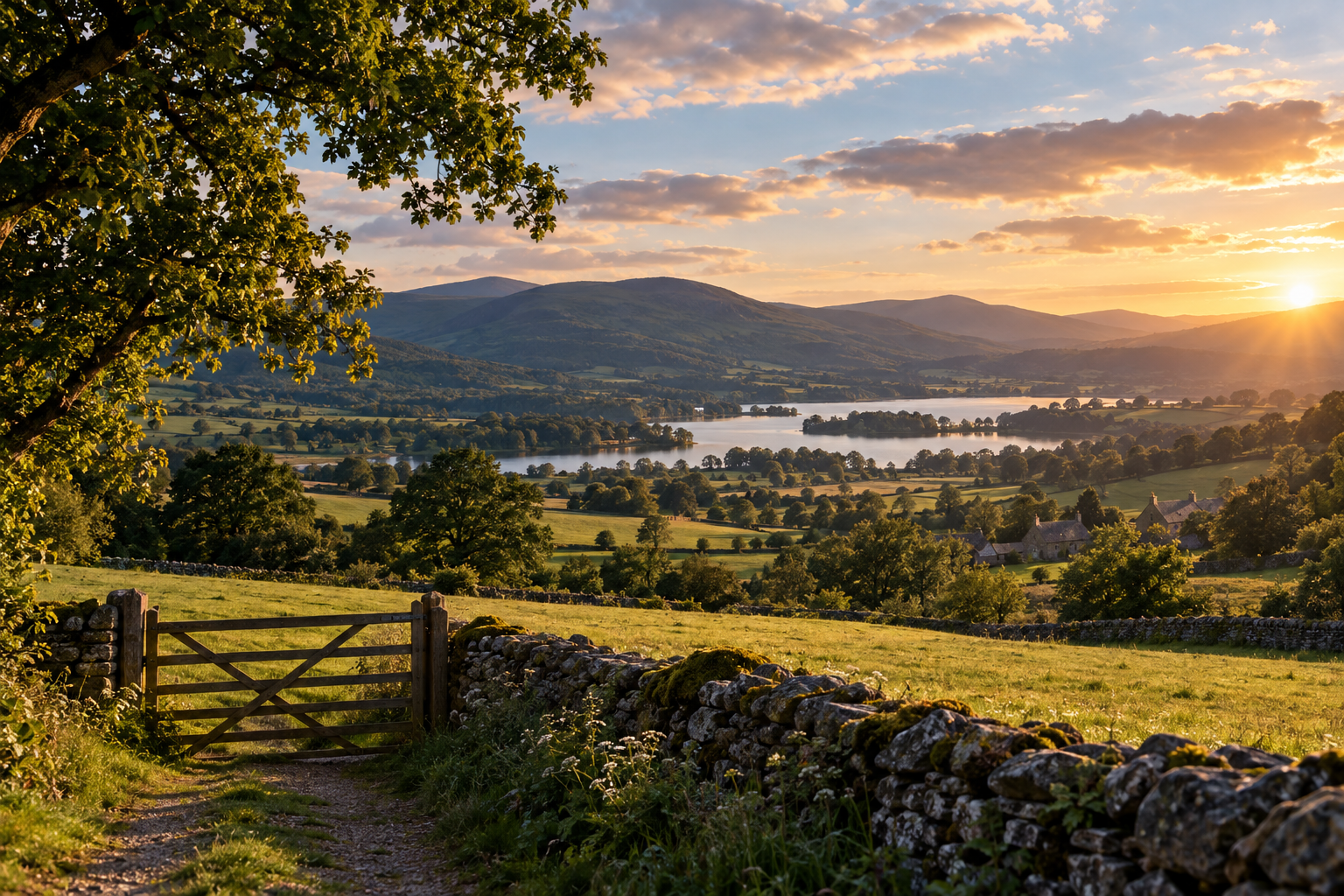
A beautiful location is only the beginning.
Rural property can offer privacy, space and freedom that are difficult to find elsewhere. But some of its most important features are not immediately visible during a viewing.
Legal access, private roads, water supplies, drainage, boundaries, rights of way and planning restrictions can all affect the practicality and long-term cost of ownership.
The aim is not to make rural property complicated. It is to understand the property you are actually buying rather than the one you imagine it might become.
Buying Rural Land GuideRural ownership requires different thinking.
A rural property may rely on infrastructure and arrangements that would rarely concern the buyer of a conventional suburban house.
None of these automatically makes a property problematic. They simply need to be understood before they become your responsibility.
Thinking about building on your land?
Building a home, lodge or other accommodation brings the rural property and bespoke-build sides of Comforted Living together.
Start with the planning position and practical feasibility of the land before becoming too committed to a particular design. Access, utilities, drainage and ground conditions can be just as important as the building itself.
Bespoke Homes & BuildsExplore all land & planning guides
Use these guides to move from researching a purchase to understanding what a particular piece of land may allow.
Buying Rural Land in the UK
Due diligence, access, boundaries, utilities and the practical checks to make before buying.
→Planning Permission on Rural Land
Understand planning history, site constraints and some of the issues that can influence development.
→Hidden Costs of Rural Property
Access, drainage, maintenance, services and other costs that can sit beyond the purchase price.
→What Can You Do With Rural Land?
Explore different possibilities for land and where to begin investigating their feasibility.
→Can I Build a House on My Land?
A focused guide for owners considering whether a new home could be possible on their land.
→Custom Built Homes on Your Own Land
From site feasibility and planning through to designing a home around the land.
→Cabins, Lodges & Pods on Your Land
Questions to consider before placing alternative accommodation or smaller buildings on private land.
→Bespoke Homes & Builds
Explore the wider Comforted Living guide to bespoke homes, rural sites and thoughtful building projects.
→Related areas
Bespoke Homes & Builds
Designing and creating homes around the site, the owner and long-term everyday living.
Explore Bespoke Homes →Comfort & Wellness
Explore how homes can support privacy, natural light, comfort and better everyday living.
Explore Comfort & Wellness →Wealth & Planning
Broader guidance around long-term property decisions, ownership and professional support.
Explore Wealth & Planning →